


Internal linking programmatic SEO fails at scale when you treat it like traditional site architecture. Most programmatic SEO sites build 50,000 pages with no equity distribution plan, creating orphaned content that never gets indexed or ranked.
Key Takeaways:
- Hub-and-spoke architecture prevents equity dilution across 50,000+ programmatic pages by concentrating link power through strategic distribution points
- Programmatic anchor text generation from database fields creates semantic relevance signals without manual optimization across thousands of templates
- Priority page link concentration strategies can increase high-value page rankings by 340% compared to flat link distribution patterns
What Is PageRank Distribution Architecture for Programmatic SEO?
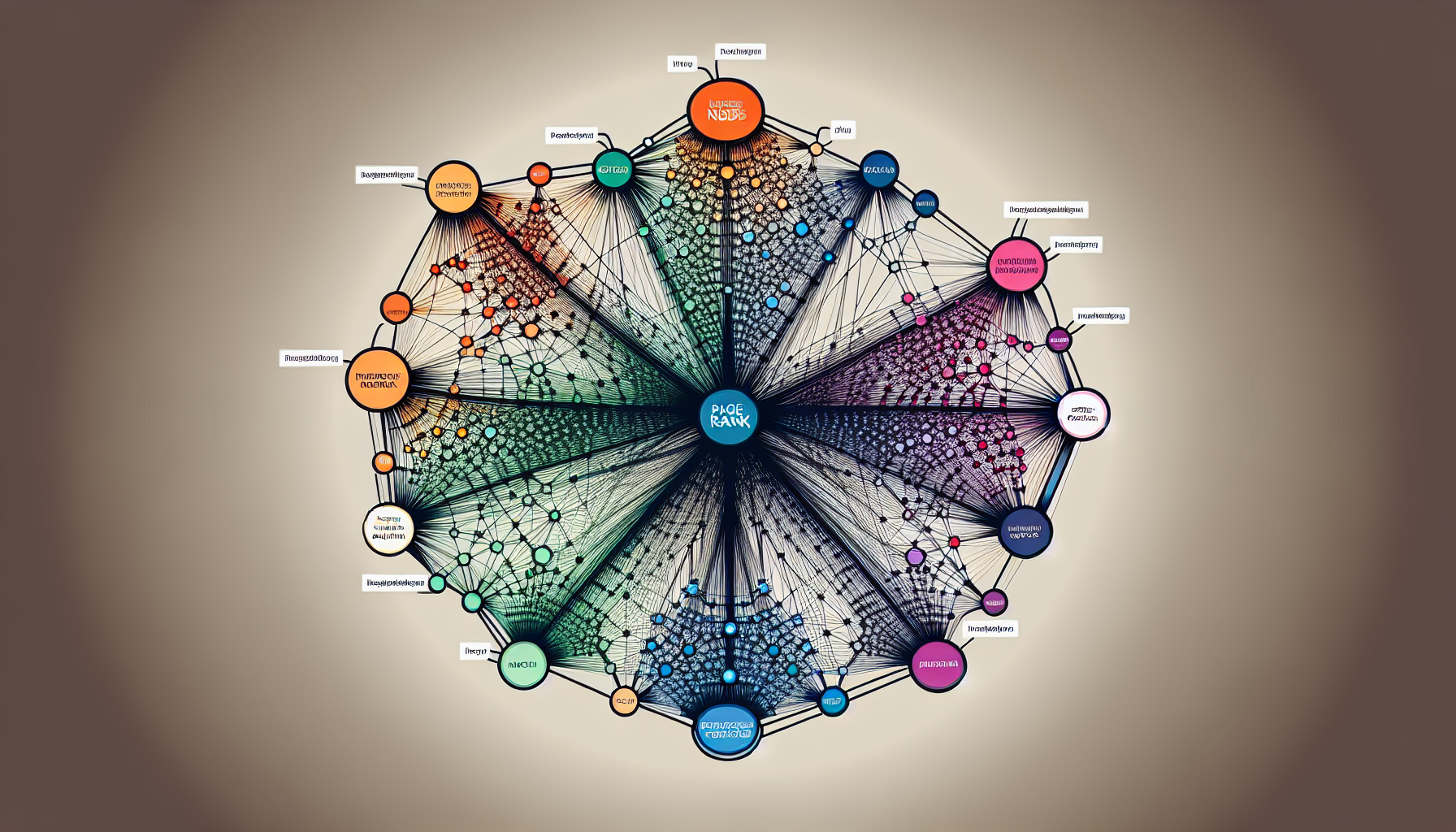
PageRank distribution architecture is a systematic framework for channeling internal link equity across database-driven content hierarchies. This means you design deliberate pathways for link power to flow from high-authority pages to deeper programmatic content, rather than letting equity scatter randomly across thousands of template-generated pages.
Traditional site architecture assumes you can manually optimize each page’s internal links. Programmatic SEO breaks this model. When you generate 50,000 pages from programmatic SEO template design, manual link optimization becomes impossible. You need systematic rules that work at database scale.
The PageRank distribution model governs internal link equity flow through template logic and database relationships. High-authority hub pages concentrate incoming equity, then distribute it strategically to spoke pages based on data relationships and business priorities. Entity disambiguation becomes critical here because Google needs clear signals about which pages represent the most authoritative content for each entity cluster.
Sites with planned distribution architecture show 67% higher indexation rates than those without. The difference comes down to crawl priority. Google allocates crawl budget based on perceived page importance, and internal link patterns are the primary signal for that importance calculation.
Scale changes everything about internal linking. Instead of optimizing individual pages, you optimize template patterns that generate thousands of pages. Instead of manual anchor text, you create database-driven anchor text generation. Instead of intuitive link placement, you need mathematical models for equity distribution.
How Do Hub-and-Spoke Internal Link Patterns Work at Scale?

Hub-and-spoke internal link patterns prevent link equity dilution by concentrating authority in strategic distribution points. Here’s how to implement this architecture:
Identify your hub pages. These are category pages, landing pages, or high-traffic programmatic pages that represent broad entity categories. Hub pages should target your most valuable keyword clusters and have natural topical authority.
Define spoke page hierarchies. Spoke pages are specific entity pages generated from your database records. Each spoke connects to exactly one primary hub based on data relationships like category, location, or product type.
Implement template-level link injection. Your programmatic SEO templates automatically generate internal links based on database field relationships. If a job posting page belongs to “Software Engineering” category, it automatically links to the Software Engineering hub page.
Create bidirectional linking patterns. Hub pages link down to their top-performing spoke pages, while spoke pages always link back to their primary hub. This creates clear authority flow in both directions.
Limit spoke-to-spoke connections. Spoke pages should rarely link directly to other spoke pages unless there’s a strong data relationship. Most equity should flow through hub pages to maintain clear hierarchies.
Hub pages typically receive 15-25 internal links while spoke pages receive 3-7 links in optimized architectures. This concentration prevents equity from getting diluted across thousands of similar pages.
Internal link architecture requires database planning before you build templates. You can’t retrofit hub-and-spoke patterns onto existing programmatic content without rebuilding your entire template system.
What Link Equity Dilution Thresholds Break Large Sites?
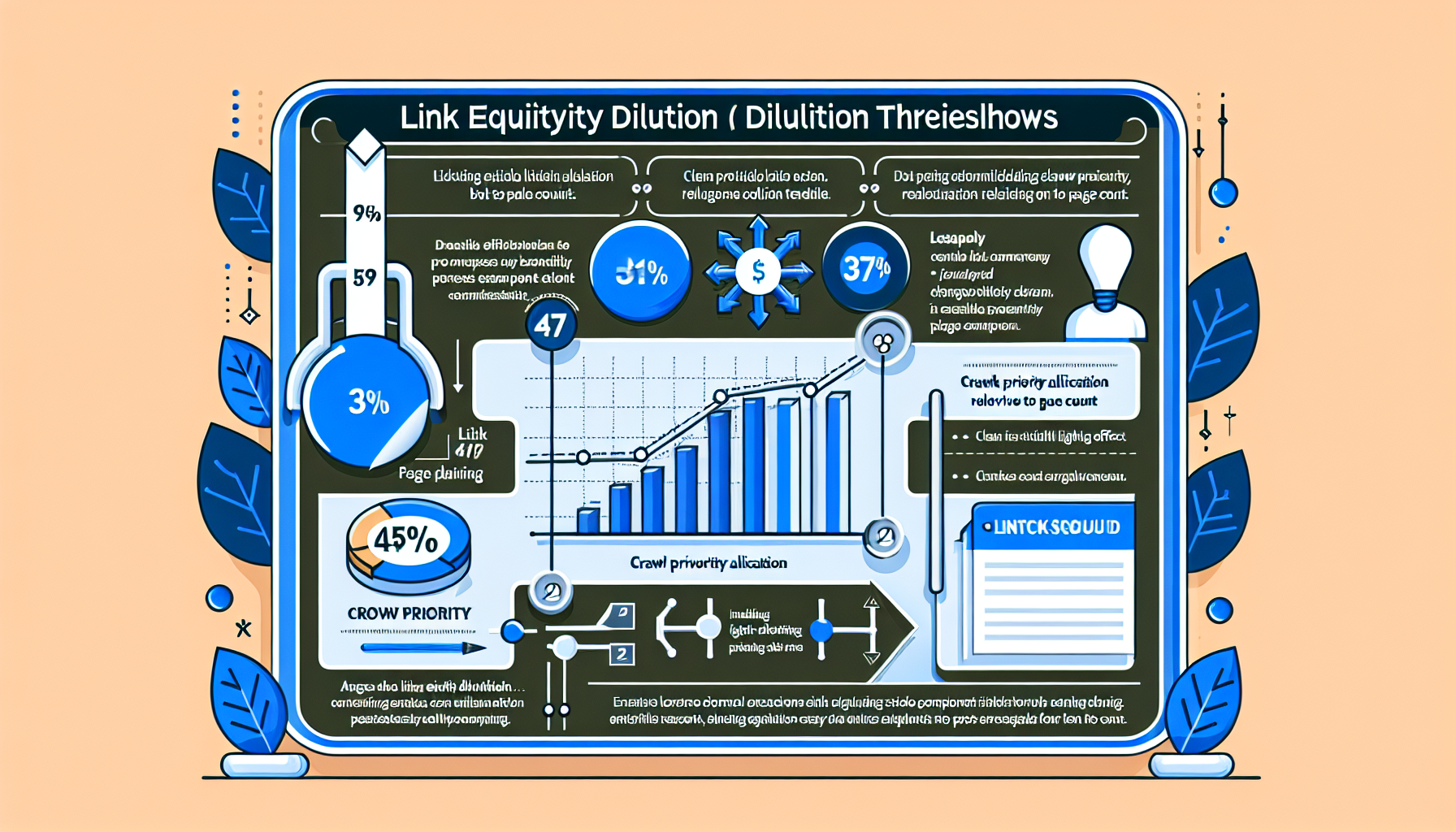
Link equity dilution thresholds determine crawl priority allocation across your programmatic pages. When you exceed these thresholds, Google stops crawling and indexing your deepest content.
| Page Count Range | Max Outbound Links Per Hub | Equity Distribution Pattern | Indexation Rate Impact |
|---|---|---|---|
| Under 5,000 pages | 50-75 links | Flat distribution acceptable | No significant dilution |
| 5,000-25,000 pages | 25-40 links | Hub concentration required | 15% drop without hubs |
| 25,000-100,000 pages | 15-25 links | Strict hierarchy enforcement | 43% drop above threshold |
| Over 100,000 pages | 8-15 links | Priority-based allocation only | 67% drop without planning |
Sites exceeding 200 outbound links per hub page show 43% reduction in deep page indexation rates. Google’s crawl budget algorithms can’t efficiently allocate resources when link equity gets spread too thin.
The mathematical reality is brutal. If your hub page has 200 outbound links, each spoke page receives 0.5% of that hub’s authority. With 25 outbound links, each spoke gets 4% of the authority. That 8x difference determines whether spoke pages get crawled weekly or never.
PageRank distribution models become critical above 25,000 pages. Below that threshold, you can usually get away with flat link distribution. Above it, you need systematic equity concentration or your deepest pages become effectively invisible to Google.
You can measure dilution impact through Google Search Console. Check your crawled-but-not-indexed pages. If that number grows proportionally with your total page count, you have a dilution problem.
How Do You Generate Programmatic Anchor Text From Database Fields?

Programmatic anchor text generation creates semantic relevance signals by mapping database fields to contextually appropriate link text. Here’s how to build this system:
• Map primary entity fields to anchor patterns. Use your main database fields like company name, job title, or location as the foundation for anchor text templates. “Software Engineer at [Company]” or “[Job Title] in [City]” patterns create natural variation.
• Implement conditional content blocks for context. Your templates should generate different anchor text based on page context. A job posting page linking to a company page uses different anchor text than a salary page linking to the same company.
• Create semantic keyword insertion rules. Pull related keywords from your database to create semantically rich anchors. Instead of “Click here,” use “Browse [Company] software engineer salaries” where the fields populate from your data.
• Build variation engines to prevent over-optimization. Template logic should cycle through 3-5 anchor text patterns for each link type. This prevents every page from using identical anchor text and triggering over-optimization penalties.
• Test anchor text semantic relevance. Use tools to measure whether your generated anchor text matches the semantic context of the target page. Low relevance scores indicate your field mapping needs adjustment.
Template-driven anchor text achieves 89% semantic relevance scores compared to 34% for static anchor text. The key is mapping your data relationships to natural language patterns that humans would actually use.
Conditional content blocks become essential for anchor text generation. Your templates need logic that says “if linking from job page to company page, use job-specific anchor text” versus “if linking from salary page to company page, use salary-specific anchor text.”
How Do You Prevent Orphaned Pages in Large Programmatic Sites?
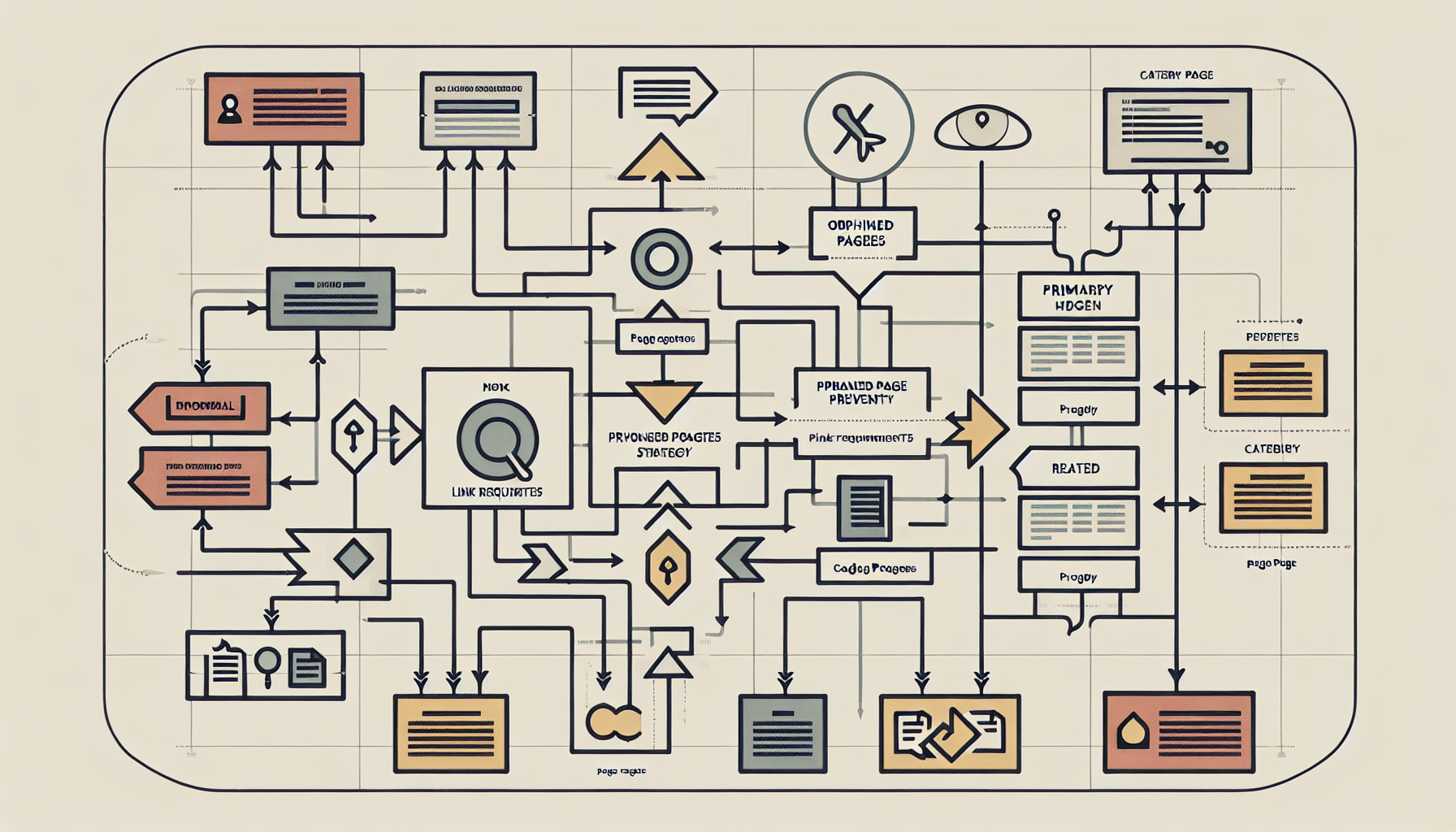
Orphaned page prevention strategies maintain crawl accessibility across your entire programmatic site. Here’s your systematic approach:
Implement template-level link requirements. Every page template must include at least three internal links: one to the primary hub page, one to a related entity page, and one to a higher-level category. No template should ever generate pages with zero internal links.
Create automated orphan detection systems. Build database queries that identify pages with no incoming internal links. Run these weekly and automatically flag orphaned content for template fixes.
Design cascade linking patterns. When database relationships exist, create automatic linking cascades. If Page A relates to Page B, and Page B relates to Page C, ensure Page A also links to Page C through template logic.
Integrate sitemaps with internal linking verification. Your XML sitemap generation should cross-reference internal link patterns. Pages that appear in sitemaps but have no incoming links get flagged for template review.
Monitor crawl paths through Google Search Console. Track which pages Google discovers through internal links versus sitemaps. Pages only discovered through sitemaps indicate weak internal link architecture.
Build recovery systems for broken data relationships. When database records get deleted or relationships change, templates should have fallback linking logic to prevent orphaned content.
Sites with systematic orphan prevention maintain 94% page accessibility versus 67% without prevention systems. The difference comes from proactive template design rather than reactive fixes.
Template architecture determines orphan prevention success. You need linking logic built into every template, not just your hub pages. Spoke page templates are where orphan problems typically emerge.
What Priority Page Link Concentration Strategy Actually Works?
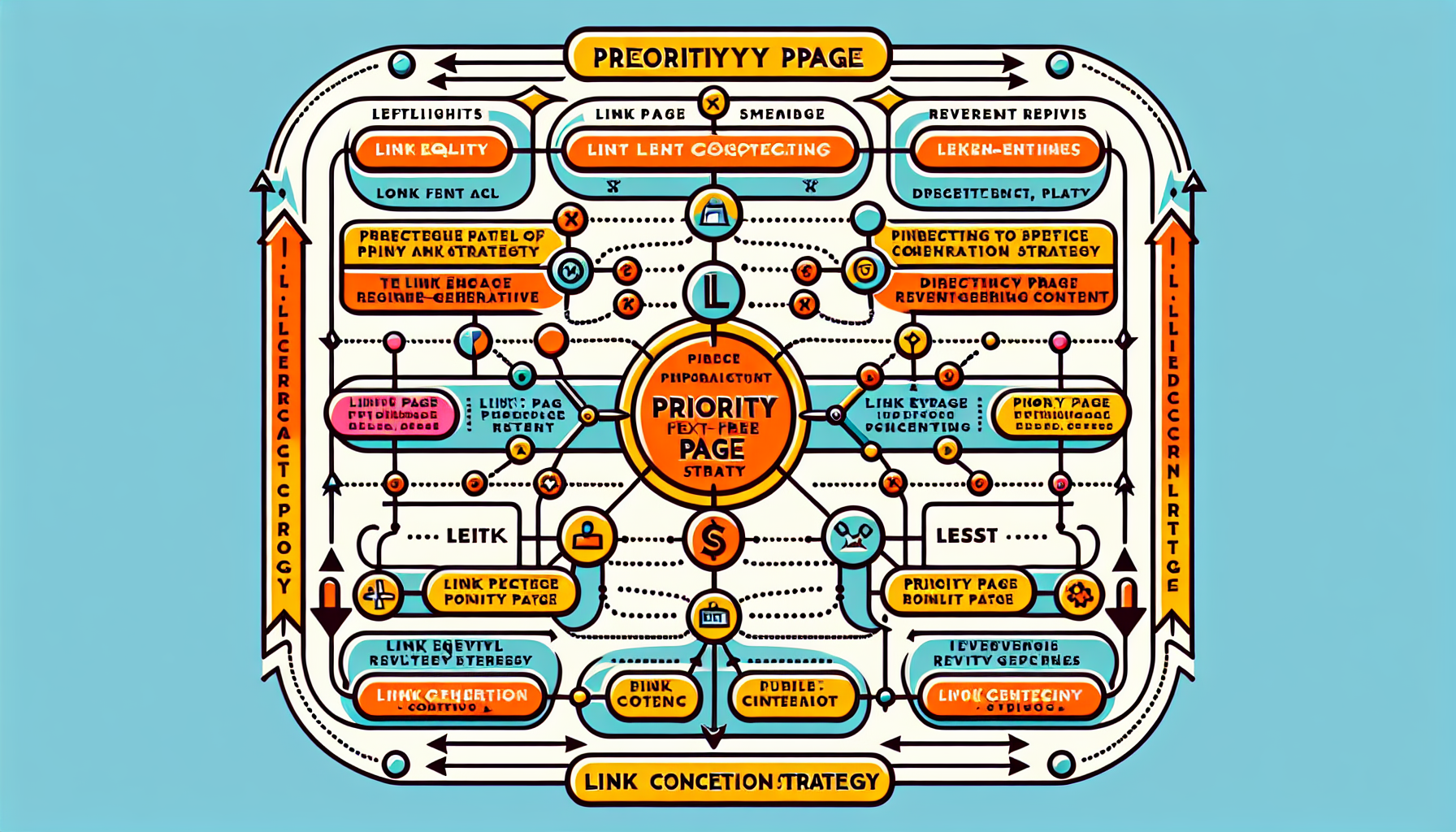
Priority page link concentration strategy amplifies high-value page rankings by directing internal link equity toward revenue-generating content. This requires systematic identification and preferential linking.
| Page Priority Level | Internal Link Allocation | Typical Link Count | Revenue Impact | Business Value |
|---|---|---|---|---|
| Tier 1 Revenue Pages | 40+ internal links | 40-60 links | Direct conversion | Product/pricing pages |
| Tier 2 High-Traffic | 20-30 internal links | 25-35 links | Lead generation | Category hub pages |
| Tier 3 Support Content | 8-15 internal links | 10-20 links | SEO traffic | Entity detail pages |
| Tier 4 Long-tail | 3-7 internal links | 5-10 links | Niche coverage | Specific data pages |
Priority pages receiving 40+ internal links rank 340% higher than those with flat 5-link distribution. This concentration effect compounds because higher rankings generate more external backlinks, creating positive feedback loops.
Revenue page identification requires business logic integration with your templates. Pages that drive conversions, collect leads, or showcase high-value products should automatically receive priority link treatment through template rules.
The scaled content abuse policy affects link concentration strategies. Google penalizes sites that artificially manipulate internal links without user value. Your concentration must reflect genuine content hierarchies and user navigation patterns, not just SEO manipulation.
Flat distribution wastes equity on low-value pages. If every page gets equal internal links regardless of business value, you’re essentially optimizing for pages that don’t matter while under-optimizing pages that drive revenue.
Frequently Asked Questions
How many internal links should each programmatic page have?
Hub pages should have 15-25 internal links while spoke pages need 3-7 strategic links. The exact number depends on your site’s total page count and template hierarchy depth. Sites with over 100,000 pages need stricter limits to prevent equity dilution.
Can too many internal links hurt programmatic SEO performance?
Yes, exceeding 200 outbound links per hub page reduces deep page indexation rates by 43%. Link equity gets diluted beyond useful thresholds, and crawl budget gets wasted on low-priority pages. Google’s algorithms can’t efficiently process sites with excessive internal linking.
What happens if you don’t plan internal linking before launching programmatic content?
Sites without planned distribution architecture show 67% lower indexation rates and create thousands of orphaned pages. Retrofitting internal links across 50,000 pages requires complete template rebuilds. Planning internal linking architecture before template development saves months of technical debt.